Choosing and replacing garage door seals
Garage door seals: what each one does and when to replace it
Every garage door has gaps: along the floor, up each side and across the head. Seals close those gaps against wind, rain, leaves and draughts. When they harden, split or tear, the garage gets colder and wetter, and on exposed Northern Ireland sites the wind finds the weakness quickly.
This is a guide to the seals themselves. If your door is draughty and you want the wider diagnosis, including insulation, our draughty garage door page covers that.
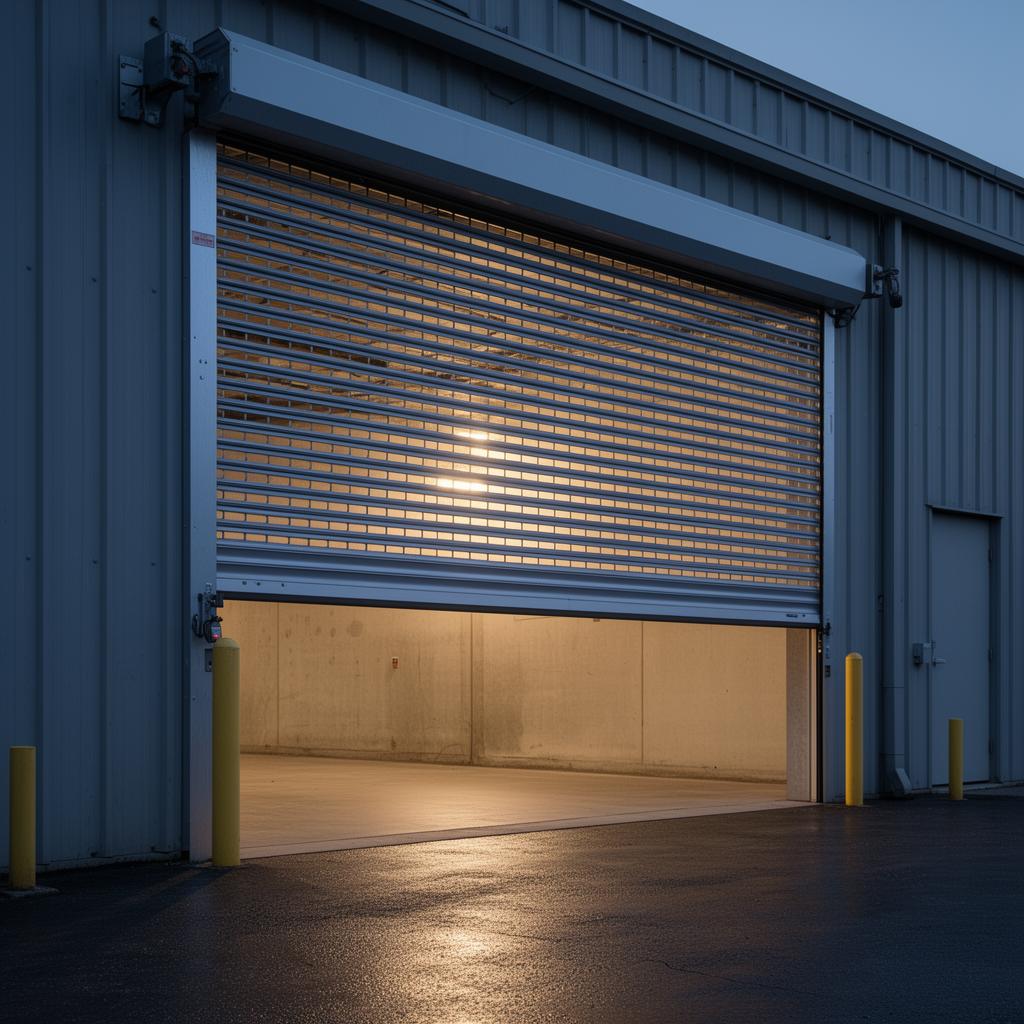
The four seals on most doors
| Seal | Where | Job |
|---|---|---|
| Bottom seal | Along the leading edge of the door | Closes the gap at the floor; takes the most wear |
| Side seals | Up each jamb or guide | Stops wind driving past the edges |
| Head seal | Across the top of the opening | Closes the gap between door and lintel |
| Brush seals | In roller guides and on hinged pairs | Flexible bristles that seal without dragging |
How to tell a seal is finished
- Daylight visible under or around the closed door.
- Rubber that is cracked, flattened or hard to the touch.
- Water tracking in along the floor after rain.
- Leaves and grit collecting just inside the door.
- Bristles on brush seals worn short or missing in patches.
Which door relies on which seal
Door type changes where sealing matters most. On a sectional door, seals run between the panels as well as round the frame, which is a big reason sectional doors perform well for warmth. On a roller door, the bottom rubber and the brush seals in the guides do most of the work. On a side-hinged pair, perimeter brush and rubber seals matter more than on any tracked door, because the leaves meet in the middle as well as at the frame. Single-skin up and over doors have looser edges by design, and seals can only do so much.
When a new seal will not fix it
A seal can only close a gap it is designed for. If the floor has dropped or sloped, the door has twisted, or the frame has rotted, a new strip will not meet the surface it needs to. In those cases the fix is levelling, realigning the door, or renewing the frame. And if the leaf itself is single-skin steel, it will stay cold however well sealed it is.
Floor, threshold and weather
Uneven concrete is the most common reason bottom seals fail early. A threshold strip can help on a sloping floor, but it needs thought on a driveway where water runs towards the garage. On exposed and coastal sites, our coastal guide covers how wind-driven rain changes the choice of door and seals.
What we do on a visit
When we fit or service a door, seals are checked along with springs, cables and fixings, and replaced where worn. On new side-hinged pairs we fit brush and rubber seals as part of the install so the leaves meet cleanly. If the gap is caused by the door sitting out of line, we realign it first so the new seal actually touches.
Questions we get asked
- Can I replace a garage door bottom seal myself?
- On many doors, yes, if the seal slides into a retainer channel. Leave it alone if the job means lifting a heavy door or working near springs and cables under tension.
- Will new seals make my garage warm?
- They will stop draughts, which helps a lot. How warm the garage stays still depends on the door leaf; an insulated sectional or roller door holds heat far better than single-skin steel.
- Why does water still come in under a new seal?
- Usually because the floor is uneven or falls towards the garage. The seal cannot bridge that on its own.
Gaps round your door? We will seal it properly
We check the seals, the alignment and the floor, then tell you what will actually close the gap.
Based at 31 Mount Street, Dromore (BT25) · covering Northern Ireland · 24/7 emergency repairs