Diagnosis by sound
Noisy garage door: diagnosing it by sound
Noise is the cheapest diagnostic you have. A door that has changed its sound is telling you something has changed mechanically, and acting on it usually converts a future emergency into routine maintenance.
Match what you hear below.
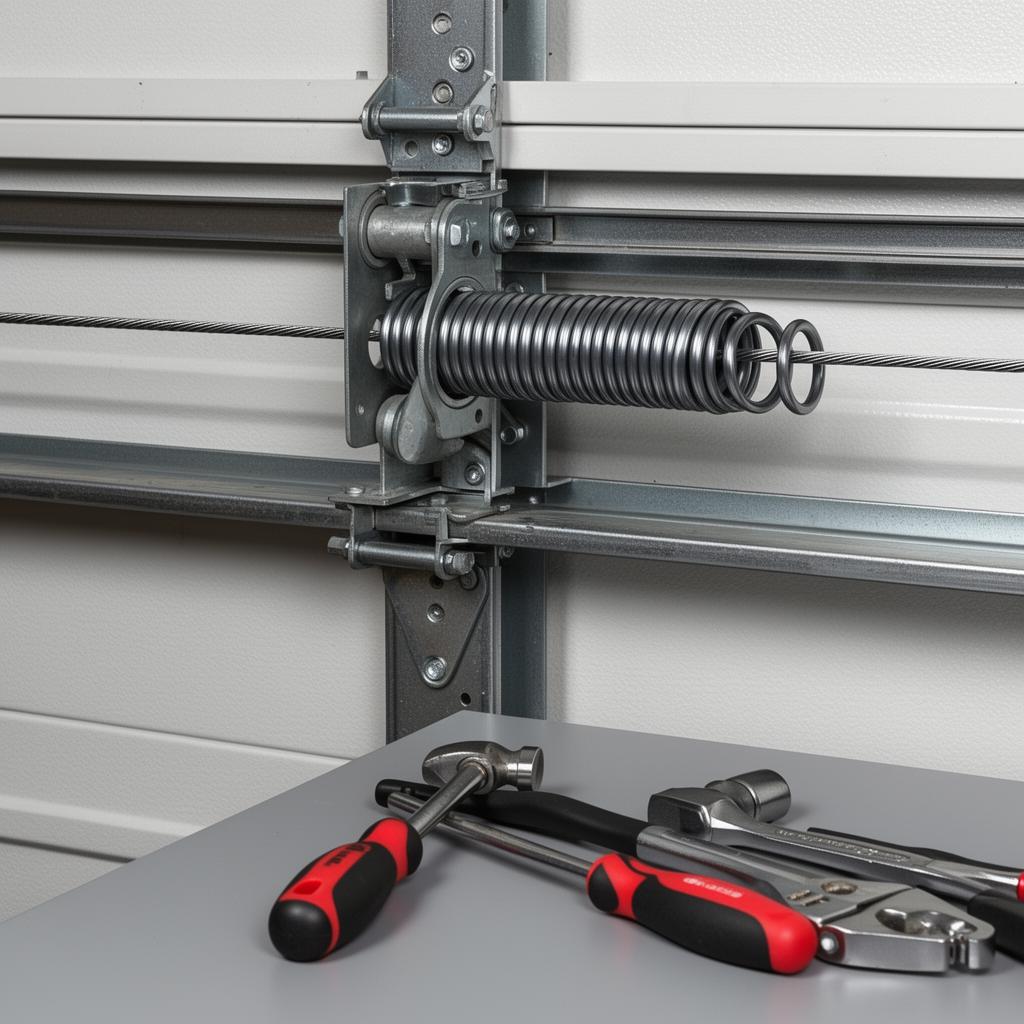
Sound to cause
If in doubt about anything on this list, stop using the door and call.
| Sound | Likely cause | Urgency |
|---|---|---|
| Squealing or screeching | Dry rollers, hinges or bearings | Low, lubricate and monitor |
| Grinding | Worn rollers, debris in the track, or a failing drive gear | Medium, book a service |
| Loud bang, then heavy door | Broken spring | High, stop using it |
| Rattling | Loose fixings, brackets or track bolts | Medium, tighten before it wears |
| Scraping on one side | Door out of square, or the track shifting | Medium to high |
| Slapping or drumming | Loose panel, worn seal, or wind against a single-skin door | Low to medium |
| Straining hum from the motor | Unbalanced door or seized mechanism | High, do not keep operating |
The easy wins
Dry pivot points cause most of the squealing we are called about. A light machine oil or silicone spray on rollers, hinges and bearings, never on the track face, fixes it in minutes.
Loose fixings are the second easiest. Check the frame and track bolts before a rattle wears the holes oval.
Noise in an attached garage
If the garage sits under a bedroom, noise matters more than usual. Beyond servicing, a soft start and stop operator, insulated panels and nylon rollers make a substantial difference to what travels through the structure.
Questions we get asked
- Is a noisy door dangerous?
- It depends on the noise. Squealing is a maintenance issue; a bang followed by a heavy door, or a straining motor, means stop and call.
- Can lubrication fix it?
- It fixes dry-pivot noise. It will not fix worn rollers, bent tracks or spring problems, and lubricating the track itself makes grinding worse.
- Why is my door louder in winter?
- Cold thickens lubricant and contracts metal, so existing wear becomes audible. It is also why springs at the end of their life tend to break on cold mornings.
- Can you make an existing door quieter?
- Often yes, nylon rollers, correct balance, tightened fixings and a proper service usually make a marked difference without replacing the door.
- Is a new door much quieter?
- A modern insulated door on a soft-start operator is significantly quieter than an old single-skin up-and-over, particularly for rooms above the garage.
Book a service before it becomes a call-out
Most emergency failures announced themselves for weeks. A service is a fraction of an out-of-hours repair.
Based at 31 Mount Street, Dromore (BT25) · covering Northern Ireland · 24/7 emergency repairs