Diagnosis, door has become heavy
Garage door has become heavy to lift
Have the balance checked before it fails outright
A correctly balanced door of any size should lift with modest effort and stay where you leave it at waist height. If yours now takes both arms, or slides shut when released, the counterbalance is doing less work than it should and you are making up the difference.
There is no version of this that improves on its own, and the parts responsible are the tensioned ones, so this is a page about recognising the cause rather than correcting it yourself.
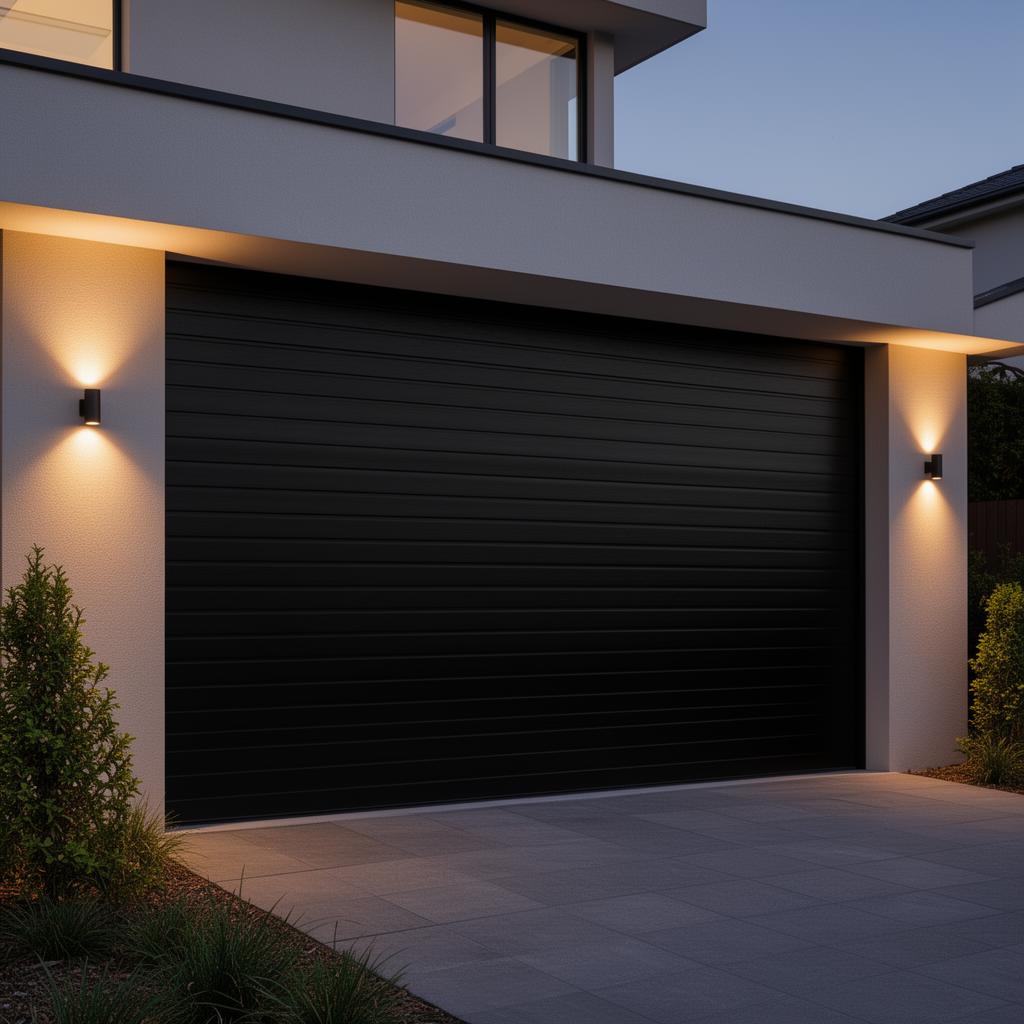
The balance test
With the operator disconnected at its release cord and the power off, raise the door by hand to roughly halfway and let go. A balanced door holds. A door that sinks is under-sprung; one that pulls upward is over-sprung.
That single test tells an engineer more over the phone than any description of the noise, so it is worth doing before you ring.
What makes a door heavy
In rough order of how often we find each.
- A spring that has broken, or fatigued and lost tension over years of cycles.
- Rollers and hinges seized with rust so the door drags in its tracks.
- Cables riding badly on worn drums, wasting effort as friction.
- Water-soaked timber, or an added insulation kit that raised the weight beyond the original spring rating.
- A door forced back into shape after an impact and now binding in the guides.
Why it matters beyond your shoulders
An automated door that has grown heavy is being lifted by a motor sized for a lighter one. It runs hot, its gears wear, and it starts tripping out or reversing part-way. Many operator replacements we are called to are really the consequence of months of unaddressed imbalance.
There is a safety dimension too. A door that will not hold position can come down on whatever is beneath it, which is the situation you avoid by putting the balance right.
Where the line is drawn
Cleaning tracks and lubricating rollers and hinges with a proper garage door lubricant is reasonable owner maintenance and sometimes recovers a surprising amount of the lost lightness.
Adjusting or replacing springs, and altering cable tension, is not. Those components hold enough stored energy to cause serious injury and they need the right tools and the right spring rating for your door's weight. That part is ours.
How we put it right
We weigh up the door, check spring condition and rating against it, free or replace seized rollers and hinges, renew worn cables, then re-tension so the door holds mid-travel and moves with one hand. Automated doors get their force and travel re-set to the restored balance before we leave.
Questions we get asked
- Should a garage door really lift with one hand?
- A properly balanced domestic door should, yes, and it should stay put where you leave it. Needing real effort is a reliable early warning.
- Can adding insulation make it heavy?
- It can. Extra weight on a door still fitted with its original spring changes the balance, so the counterbalance needs re-rating to match.
- Is a heavy door dangerous?
- It can be. An under-sprung door will not hold position and can close under its own weight, which is why we treat balance as a safety item rather than a comfort one.
- Will lubricating it fix the problem?
- Sometimes, when friction is the whole story. If the door still sinks from halfway after lubrication, the springs are the cause and need attention.
- Do I need a whole new door?
- Rarely. Springs, cables, rollers and hinges are replaceable parts. Replacement becomes the sensible route mainly when panels or a timber frame have rotted or distorted.
Heavy door? Get the balance checked
We re-rate springs, free seized gear and hand back a door that moves the way it did when it was new.
Based at 31 Mount Street, Dromore (BT25) · covering Northern Ireland · 24/7 emergency repairs