Diagnosis, gap left at the bottom
Garage door leaves a gap at the bottom
Security and weather risk, worth sorting promptly
Begin with the distinction that decides everything else: is the door stopping before it reaches the floor, or has it reached its stop and the floor fallen away beneath it? Push the wall control and watch the last foot of travel closely.
A door stopping early is an electrical or mechanical limit question. A door bottoming out on an uneven slab is a sealing question. The two need completely different work, and treating one as the other wastes a visit.
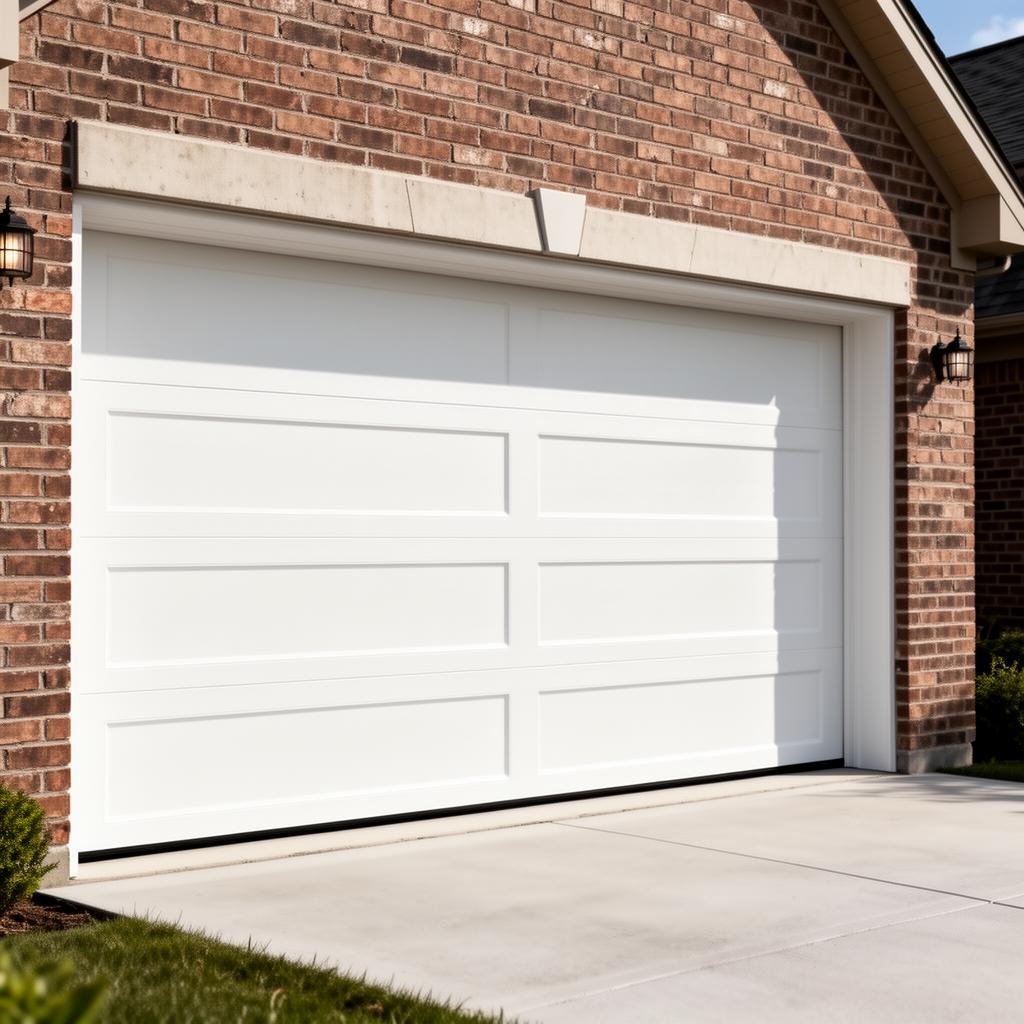
Signs it is stopping early
Look for a clean, level gap right across the width, and listen to how the run ends.
- The gap is the same depth at both jambs.
- The motor cuts out crisply rather than easing into the floor.
- The door will go lower if you nudge it down by hand once power is isolated.
- It began after a power cut, a battery change or a motor swap.
Signs the floor is the problem
A wedge-shaped gap, deeper at one side, usually means the slab has settled or the driveway has been relaid at a slight fall away from the opening. Older concrete also crumbles at the lip where rain has stood against it for years.
Here the door is doing its job and the seal is being asked to bridge a distance it was never sized for. The remedy is a deeper bottom seal profile, a threshold strip fixed to the floor, or making good the concrete lip before refitting the seal.
Seals that have simply given up
Rubber and brush seals harden, split and flatten. A twenty-millimetre gap can be nothing more than a perished bottom seal that no longer compresses, and replacing that strip is one of the cheapest jobs we do.
While the door is up, run a hand along the side and top seals too. Draughts rarely arrive from one edge alone, and there is little point closing the base and leaving the jambs open.
Where to stop and hand it over
Do not adjust lift cables to gain the last inch. Uneven cable tension is exactly what pulls a door out of square and off its track, and both cables and springs hold enough stored energy to injure. Leave anything under tension to an engineer.
Equally, if the door has been forced down repeatedly onto a raised slab, the bottom section may be bowed. That is a panel or curtain assessment, not an adjustment.
Why it is worth fixing quickly
A standing gap invites wind-driven rain, leaves and vermin, and it gives anyone outside a place to get a hand or a bar under the door. It also keeps the garage cold, which matters if the room above is heated.
We can usually resolve travel limits and seals in a single visit, and advise honestly when the real answer is groundwork rather than a new door.
Questions we get asked
- Can I reset the travel limit myself?
- On some operators the down limit is a marked adjuster and the manual explains it. If yours needs cable or spring work to reach the floor, stop there and call an engineer.
- Is a small gap normal?
- A few millimetres of daylight through a brush seal is common. A gap you can slide a hand under is not, and it is worth attending to for weather and security.
- Would a threshold seal fix an uneven floor?
- Often, yes. A floor-fixed threshold gives the door something flat to close against and handles a shallow fall in the slab well.
- Why did it appear suddenly?
- Sudden changes usually follow a power interruption that lost the stored limits, or a seal that finally split. Gradual changes point to floor movement or seal wear.
- Does this affect insulation?
- Yes. A gap along the base defeats an insulated door, because most of the heat and draught loss on a garage door happens at the edges rather than through the panel.
Sort the gap before the weather finds it
Limits, seals or a floor that has moved, we identify which and fix what is actually wrong.
Based at 31 Mount Street, Dromore (BT25) · covering Northern Ireland · 24/7 emergency repairs