
Choosing a shop shutter
Solid shutters
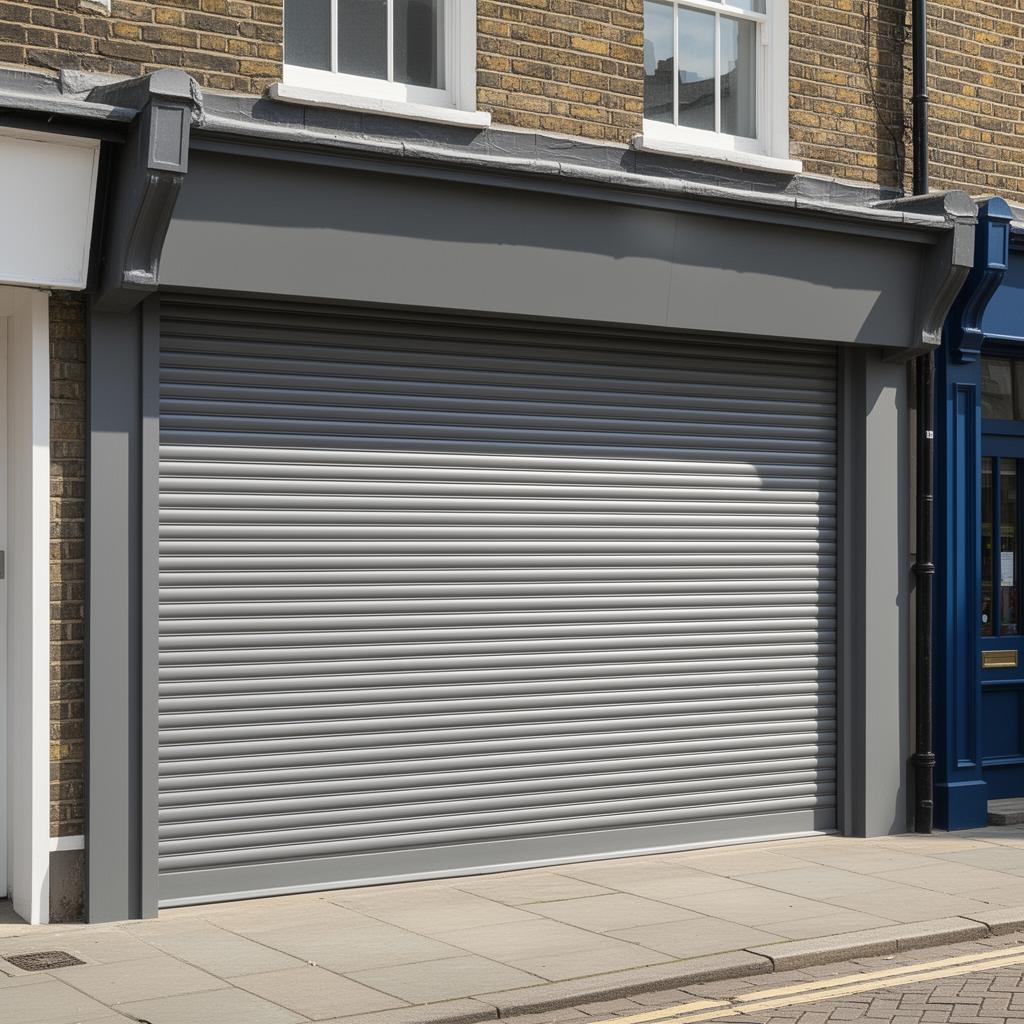
Solid slats give the most privacy, the best protection from weather and the strongest deterrent. They hide the shop front completely when closed.
Perforated or punched shutters
Small holes in the slats let light and a view of the window display through, so the shop still looks open for business after hours.
Grilles
Open grille shutters keep the display fully visible and are often fitted inside, behind the glass, where they do not change the street frontage.
Manual or electric
Smaller shutters can be manual. For wider fronts or shutters used twice a day, electric operation saves time and wear, and protects staff from lifting.
Insulated slats
Insulated shutters help where the shutter also forms part of the building envelope, such as a takeaway or unit with no glazing behind it.
Colours
Shutters can be finished in a range of colours to suit your branding or the street, which can also help with planning on a traditional high street.
Planning and the high street
A shutter fitted to the outside of a shop changes how the street looks, so check planning requirements before you order. Perforated shutters, internal grilles and colours that suit the building are often viewed more favourably than solid shutters, especially in conservation areas.
It is also worth checking your lease and your insurer's requirements, as some specify the type of shutter or locking they expect for the premises.
Fitting and day-to-day use
Every shutter is measured on site. We look at the opening, the fixing surface, where the shutter box will sit, whether the guides fit face-fixed or between the reveals, and where power can be run for an electric operator.
Electric shutters can be supplied with key switches, remotes and a manual override for power cuts. Our guide to electric roller shutters for commercial units explains the options in more depth.
Repairs and other commercial doors
A shop shutter that will not close or lock leaves the business exposed, so we offer 24/7 call-outs. See roller shutter repair for the faults we deal with.
For loading doors, warehouse and industrial doors, see commercial doors. For fire-rated shutters and higher-security openings, see security and fire shutters.
Shop shutter questions
- Do I need planning permission for shop shutters?
- Often, yes. External shop shutters usually change the appearance of the shop front, so many councils treat them as needing planning permission, and conservation areas and listed buildings have stricter rules. Your local council planning office can confirm what applies to your premises before you order.
- Solid or perforated shop shutters?
- Solid shutters give the most privacy and protection from the weather and are the strongest choice for security. Perforated or punched shutters let light and a view of the display through when closed, which many high-street shops and planning departments prefer. Grilles are the most open option and are often used inside, behind the glass.
- Can my existing shop shutter be motorised?
- Many manual shutters can be converted to electric operation, depending on the size, the condition of the curtain and barrel, and whether there is a suitable power supply. We check this on site; if the shutter is too worn, a new electric shutter is usually the better investment.
Ready to book?
Send us the details on our enquiry form or call us — we're open 24 hours, 7 days a week.